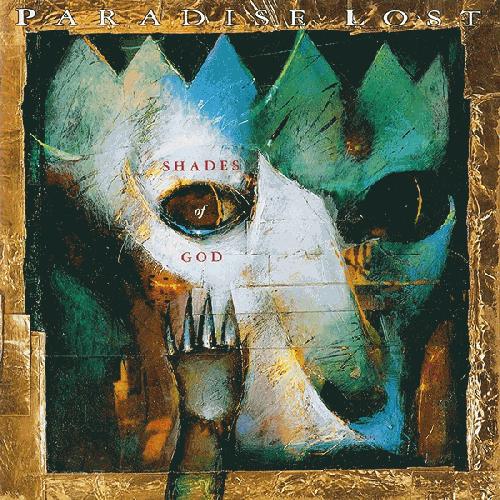
Review Summary: A strong classic doom transition
Much of Paradise Lost’s trajectory is defined by transition and 1992’s Shades of God might be the most blatant example of this in action. With the band’s death metal roots well faded but their goth side still getting refined, this album’s style settles into something of a classic doom hodgepodge. The band’s influences from groups like Candlemass and Trouble have never felt as palpable as they do here, operating with a similarly grandiose yet forlorn atmosphere.
But while this approach puts the riffy guitars at the forefront, the vocals are the primary indicator of this shift in action. The delivery remains gruff but could hardly be called a growl at this point with the Hetfieldisms that Holmes would soon pick up still being forged. The album also stands out for the beefy rhythm section, a dark bottom-heavy execution allowing for more bass parts to come through while the drums put in some muscular acrobatics alongside the chunky riff work.
The songwriting also has a rather unwieldy feel to it as the songs can occasionally come off like stitched together Frankensteins rather than straightforward compositions. “Crying for Eternity” may be the best demonstration with its Witchfinder General-esque verse riff seemingly clashing with the stomping chorus and other bits in between. “Embraced” and “No Forgiveness” are strong doom numbers that feel like they’d have big choruses attached to them had they come out a couple years later while “Pity the Sadness” stands out as a speedy outlier. The closing “As I Die” is also interesting for the staple status it’s picked up, certainly coming off as a solid palette cleanse with its lighter tinges.
This all might sound like I’m not as enthused about Shades of God as I am with Paradise Lost’s other classics, but these transitional tendencies are what make it such an engaging album. While the band may still have been feeling out a sense of direction, there’s a degree of confidence that sells the presentation. Their musicianship keeps getting better and while the songwriting takes some getting used to, the individual parts being so well-written and memorable are what really help it come together. It’s the sort of style blend that I’d be curious to see other bands try out, but I doubt any of them could pull it off quite like this.