Review Summary: Theaters of ecstatic terror.
In this day and age, the avid listener’s available time for engaging with music albums is maybe more valuable than ever, when considering the sheer amount of material vying for our attention on an almost constant basis. In extreme metal, artists need to present a unique and recognizable personal touch to stand out, which is what Naas Alcameth has proven to have with all the bands / projects he has been involved in. Waters were shaken when Nightbringer put out their second album “Apocalypse Sun” in 2010, and while similarly heavyweight releases were consecutively released by that band, Naas Alcameth also continued with different ventures (Aoratos, Excommunion, Bestia Arcana, and Akhlys) that are now well established, epochal entities in modern black metal.
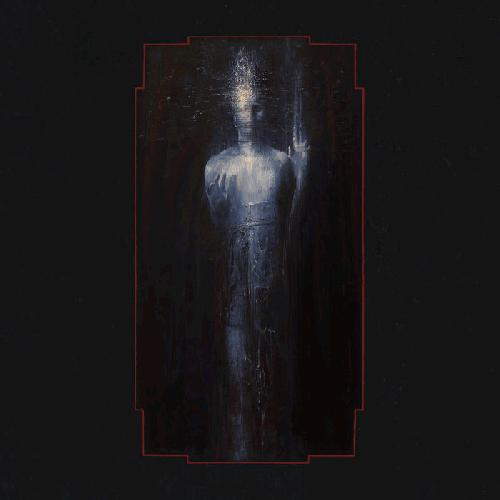
All the aforementioned names are musically adjacent and what defines the boundaries between them is the concepts rather than the sound. Under this specific moniker, topics of dreams and nightmares are explored based on Naas Alcameth’s personal experiences, and all Akhlys albums aim to materialize these vivid and horrific incidents, being quite successful in doing so. After a dark ambient debut in 2009, the music naturally gravitated towards black metal and culminated in the frightening “The Dreaming I” in 2015. Akhlys had become almost more famous than Nightbringer by 2020 with the monstrous “Melinoë”, which had a massive presence and was immensely praised by the scene. In 2024, we’re entering the band’s fourth album “House of the Black Geminus” with an important line-up change: the addition of Nox Corvus, long time band member in Nightbringer and participant in Aoratos, to the guitars.
The main body of the record is similar to what we’ve been used to from Naas Alcameth. Thick, abrasive guitar lines, layers of haunting ambiance and apocalyptic vocals are delivered through long compositions of an imposing nature and immediately intimidating atmosphere that establishes the all-consuming, ominous sound of Akhlys. Those familiar with his work will immediately recognize the tormenting tremolo-picked riffs that are often put in the forefront in these tracks, yet this time not at the same level as they were before. “House of the Black Geminus” has a production that is noticeably louder, but also purposefully made more noisy and industrial to further convey its terrifying identity, even though that decision actually turns out to be a knife that cuts both ways.
One of Akhlys’ strong points is the dexterous guitar handling and the dissonant, gripping melodies that leave unsuspected black metal fans at their wits’ end when first listening to the band. While this element is abundant in the new album, this approach of overproduced loudness sometimes makes these riffs difficult to decipher, especially at times when textured-based sections lead the compositions. Thankfully, “House of the Black Geminus” still is overwhelming to listen to, yet going into it back to back after “Melinoë” might leave someone wondering why the sound underwent mechanization, and why the instruments got this distorted treatment in the studio.
Opener “The Mask of Night-Speaking” is a colossal piece that takes a while to take off but completely dominates when it does, followed by another highlight of the album, “Maze of Phobetor”. A bit of steam is lost in the middle part of the album where Akhlys dives into slower-paced territories, as in my opinion, most of the potency of “House of the Black Geminus” lies in its faster, bloodcurdling parts. The nine-minute piece “Through the Abyssal Door” lightly suffers from this, and it doesn’t help that the dark ambient / noise instrumental “Black Geminus” comes right after. For example, direct comparison of that point of the album with its equivalent part of “Melinoë” (from “Pnigalion” to “Succubare”) seems to me like the clearest piece of evidence of how this new work, while captivating, may be a slight step down from what Akhlys has previously created. On the other hand, the last two tracks are monumental, especially the middle-ending part of “Sister Silence, Brother Sleep” and how it gives way to the closer “Eye of the Daemon - Daemon I”, which is to me, a quintessential Akhlys tune.
In conclusion, “House of the Black Geminus” is brutally formidable, as Naas Alcameth (this time with Nox Corvus) shows how capable he is in writing such disturbing music with a magisterial style. For the listeners who will not be put off by the deafening production, it may as well be a masterpiece. Personally, there’s now an abundance of releases surrounding these particular musicians and some of them have had a bigger impact on me, which will make it difficult to come back to this specific record when in the mood to listen to their works, except maybe for a couple of tracks. Despite that, “House of the Black Geminus” represents Akhlys at full force and full menace, and you should better be protective of your biological clocks before immersing yourselves into it.