Review Summary: The best sort of comeback album
Picture this - you're a vaguely alt rock'y band that just had a single do well on the radio. It's time to start working on a follow-up album. Do you lean into your catchier side, fish for hooks and try to get more hits going? Apparently not. You deliver a cohesive work leaning on atmosphere and texture, further exploring your spacey shoegaze side with little regard for earworms, and get dropped for disappointing sales. I have immense respect for Downward is Heavenward, yet the only melody I can recall off-hand from it is the start to "Apollo". The world eventually caught on and Hum's swansong matured into a cult classic. Chino Moreno openly admitted the band's role in Deftones' transformation, and comparing the covers of White Pony and You'd Prefer an Astronaut is quite amusing. Needless to say, were a follow-up to materialise from the sporadically active Hum, expectations for it were sky high. Would the band be able to live up to them?
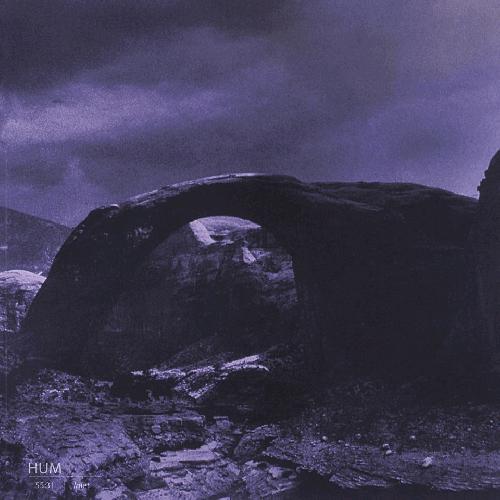
Yep. Hum took the My Bloody Valentine approach to comeback record releasing, and the occasional mentions of working on new material peppered into their social media feeds since 2016 materialised into a surprise, unannounced album drop out of nowhere. No firm declarations with future release dates to build further tension and expectations, just boom - music. Pretty darn good music, too. Inlet picks up where Downward is Heavenward left off, exploring some new avenues to keep things interesting. The rhythm section has more bite due to a combination of a punchy drum mix and aggressive guitar riffs making use of a register expanded down to B. "The Summoning" opens with a display that wouldn't sound out of place on a stoner doom album. The songs also take longer to explore their ideas, with five of the eight tracks on here longer than anything the band put out during their original tenure. Yet everything is meticulously chiselled and never overstays its welcome. For a practical demonstration, check out the last two or so minutes of "Folding". The rhythm guitar parks itself on a single looped chord as a sparse soundscape is constructed around it. All this on top of trademark Hum traits, mind you. The delicate vocals, floating melodies and ethereal production take the edge off even the most potent riffs, and the meticulously sculpted guitar tones are a masterclass in everything from subtle modulation to saturated fuzz.
Inlet is the best sort of comeback album, organically recapturing the magic of old while building on the foundation and continuing the natural evolution. If you told me this was a lost Hum album from 2001, I would have totally believed you. Perhaps the band didn't feel pressured as the very traits they were revered for were the ones they were fond of exploring, giving the guys confidence to go forth in their desired direction. Just like with Downward is Heavenward, I'm having trouble recalling individual melodies, yet I'm enjoying the album immensely. Hopefully it won't be another two decades for the follow-up!