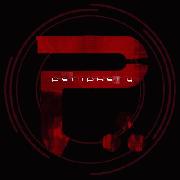
Review Summary: Periphery II.5 – This Time We Abandon Ingenuity
For longtime fans of the band, it should come as no surprise that the evolution of Periphery would see them expanding further into poppier territory on each new release. Their self titled debut capitalized on vocalist Spencer Sotelo’s clean singing throughout much of the album's duration. And for the most part it worked, garnering the praise and respect of many who were growing increasingly tired of the formulaic approach to the metalcore genre. It was clear from the dynamic riffs and drum patterns displayed on
Periphery that this band were worth keeping an eye on in the coming years.
Then Periphery II happened.
I still maintain that aside from the cringe-worthy album title, their sophomore effort wasn’t totally a bad thing. In fact, one could argue that the band had truly settled into their sound with their second release. It balanced the band’s poppier sensibilities pretty seamlessly with their heavier, more aggressive side. But the semi-complex instrumentation that was a highlight of the band's first album was notably absent from much of the album. While not necessarily my cup of tea, I still found myself mildly invested in the band’s more accessible take on the “djent” movement.
An EP full of oddly generic instrumental and dance-floor metal tracks later and we have
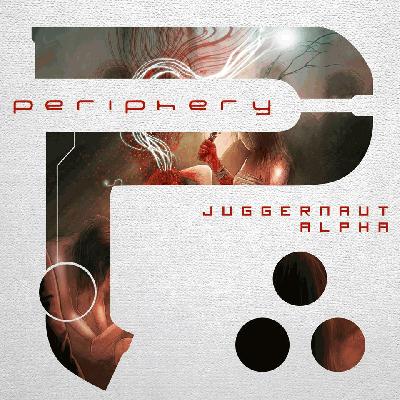
Juggernaut: Alpha, the first half of a double album which sees the band completely abandon everything that made them interesting in favor of being as accessible to as wide an audience as possible. From the opening verses of “A Black Minute” we are presented with Sotelo’s cleans whined over much more subdued and atmospheric instrumentation than what you'd expect. Instead of kicking off the album with a more energetic opener, the band chose to use not only one of the most boring songs on the whole double album but also one of the most boring songs they’ve ever written. If Spencer’s melodramatic voice doesn’t lull you to sleep, then the band’s bland songwriting is sure to do the job, as the song lasts four minutes and literally goes absolutely nowhere.
Indeed, the problem with the majority of this album is the blandness of the songwriting, a problem that plagued much of Periphery II and is back with a vengeance here. Heavy cuts like “MK Ultra” which would normally satisfy fans of Periphery’s aggression are held down by a lack of interesting moments, except perhaps for the final minute of the song where the band transitions into a weather channel style jazz interlude that I found to be one of the most enjoyable moments on the record.
The thing that holds this record back the most though is Sotelo himself. Spencer is clearly a gifted singer and has proven so on songs such as “Scarlet” from past releases but here, more often than not, his vocal performances are just atrocious. And the lyrics. Oh god, the lyrics…
“As the water beads on the window,
turn the sad song up on the radio.
Will the voices haunt when the flesh moves on
and the clouds block out sun rays?”
or
“Whoa yeah, I am dying to see
What it is that is eating at me.
Now the stars are deciding my world,
they burn from the inside out.”
“Heavy Heart” and “22 Faces” both could have been a pair of stand-out pop songs on the record had they thought to write lyrics that didn’t sound like they were written by a tenth grader. The choruses certainly have all of the same energy that made “Scarlet” such a success as far as their catchier material goes.
The exception to the formulaic approach to the album comes in the form of “The Scourge” in which the band, while not exactly doing anything experimental with the instrumentation, at least writes a song that goes in an interesting direction. What starts as one of the band’s typical pop metal verses soon builds to an emotional crescendo seeing Spencer use his voice to both soar with melody and roar with anguish. The band blazes through a powerful breakdown before allowing a neat electronic section to close out the song with Spencer’s vocal melodies adding to the catchiness of the whole affair. “Rainbow Gravity” is another in which they return to the heavy verse / melodic chorus structure and actually allow for some soloing in the bridge even in the midst of trying to be as radio-friendly as possible. They’re both really neat tunes, harkening back to some of the better material on Periphery II. I just wish there were more songs on the record that felt as genuine and engaging. The closing track “Psychosphere,” (yes, that's really the name of the song) despite being a reprise of the “kill them slow” melody from the final moments of The Scourge actually has a pretty solid closing breakdown even though the entire build-up does feel like I’m being killed slowly out of boredom.
Each member of Periphery have proven themselves to be fairly adept musicians in the past. While their self-titled record didn’t exactly reinvent the wheel, it did pave the way for a new generation of metal music to receive semi-mainstream attention. The band took risks with the instrumentation, often experimenting with time signatures and key changes to help elevate the material outside the realm of typicality. Unfortunately, typical is exactly what defines
Juggernaut: Alpha. It’s not the fact that the band wanted to go in a poppier direction that bothers me. It’s the fact that they did it at the expense of making interesting and, from time to time, truly innovative songs that leads me to question their future efforts.
Recommended Tracks: The Scourge, Rainbow Gravity, Four Lights