Radiohead has been called many things. Geniuses, Paranoid, Virtuosos, Whiny, Wah-diohead, even Gods. The opinions surrounding the band range from sweet love to pure hatred. To the fans, there are those who "Get It" and those who don't. To the haters, it's crazy people, and the rest of us. But when diving into any Radiohead album, you get the feeling you're not listening to a bunch of pricks with powerchords. Their musical expertise ranges from standard happy brit rock to apocolyptic techno. Their albums range from those sounds as well. After their usually disregarded first effort with
Pablo Honey that brought them onto MTV, Radiohead became the band vocalist Thom Yorke and guitarist Jonny Greenwood always wanted. They moved from standard hit-churning pop to a concept so disembodied from regular old music, that it's amazing less pop bands haven't tried it. The concept is usually referred to as "Album Rock." The defenition of Album Rock is when a band doesn't just throw together as many songs as they want and mash em up and stick them on an LP. They write songs that flow and have an overriding theme to them. Enter Radiohead's Holy Trinity. First there was
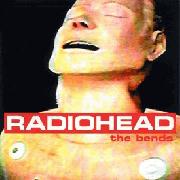
The Bends, an album that expanded their acoustic sound to more beautiful proportions. This was followed by THE Radiohead album,
OK Computer (you've heard enough ranting on this by now, so I need not describe it to you), and you have the "intellegent techno" album
Kid A.
Kid A shocked the world in the fact the band ditched guitars almost altogether, and computers took over Radiohead. Of course it was still brilliant, but neverhteless a shocker. It's questionable follow-up
Amnesiac may as well have been a
Kid A B-Sides (Let the Kid B jokes begin), seeing as it was recorded in the same sessions as
Kid A. Come 2003, people began to wonder "What the hell could they possibly do next?" Enter
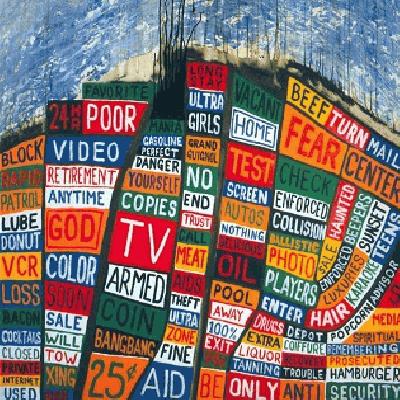
Hail to the Thief.
Hype for
Hail To The Thief was massive, as is the case with every Radiohead album. The only question would be, would it disappoint? Listeners were dying to get some more genius, regardless of what instruments were in it, or lack there of, for that matter. Upon first listen, listeners are automatically shocked. Instead of putting another electric journey-song at the beginning, you get the most rocking piece of Radiohead ever likely to be recorded.
2+2=5 shows off all the changes Radiohead went through between
Kid A and here. Radiohead announces quite grandly that they are against US government with lyrics baring notable quotables like "I swat em like flies, but like flies the buggers keep coming back," and "It's the devil's way now, there's no way out, you can scream you can shout, it's too late now, because you have not been paying attention." Perhaps, in addition to bashing the Iraq War and such, Radiohead slyly continues the concept their last three albums but forth.
OK Computer was about fearing a computer take over, and
Kid A and
Amnesiac were about dealing with that world. Now that "It's too late now, because you have not been paying attention" line subtexts into "You chose to live this way by ignoring our message." Radiohead always has been a band lyrically based on Yorke's bouts with paranoia, and on
Hail To The Thief, it seems his fear has taken over.
Oddly, Radiohead doesn't go forth with this concept and make another concept album. Instead,
Hail To The Thief listens more like a conglomerate of musical ideas worked into songs. Also, the length of the album is longer than any album Radiohead has done, which, instead of being a treat, makes the album seem to last past it's welcome. There is no classic 12th hour song like "Street Spirit" or "The Tourist" here. This is just a petty complaint that only a diehard fan would really care about, but it does drag down the quality of the album a bit. But I digress.
Hail to the Thief can be argued as being Radiohead's finest instrumentally when noting the fine mesh of instruments thrown in here. Radiohead somehow manages to incorporate analogue systems, the ondes martenot, toy pianos, glockenspiels, synth strings, and samplers into their songs. It's always been a talent of theirs to make an instrument that sounds like it has no place on an alt rock album work (like the jazz band on "The National Anthem"). But this is Radiohead's great gift, one of the reasons they get their compliments. Each member of the band is a master at what they play. The boys master wild time signatures, build songs around one simple bassline (again I note "The National Anthem"), and work heartbeats marching at one tempo to hi-hats playing at a completely different one. It all seems chaotic and untamed, but it's not. It just plain works. But that's just Radiohead for you.
One of the most notable things about
Hail To The Thief is the return of electric guitars. Jonny Greenwood and Ed O'Brien are able to provide excellent arrangements and work in several styles. They can play guitar in a classic old folk, like on
Go To Sleep, to the grand distorted backfuzz of
Myxomatosis. Both songs are loud tracks, which is good, as if Radiohead fed their need to rock out. And they do rock out. But with
Hail To The Thief, it feels like they don't rock enough. It's hard to describe.
Kid A and
Amnesiac were both made for their ambience and that's fine, but when you get past the first track, you just need to feed the need. The problem with
Hail To The Thief is that for the first time in 10 years, you have filler on a Radiohead album. Granted, I'm sure a band such as Radiohead didn't get together and say, lets put this song on here so we can take up some space, but some of the quieter tracks are forgettable listens when compared to the turn-ups. Songs like
I Will I can't even recall the tune to when the unforgettable bass-line Colin Greenwood plays in
A Punchup At A Wedding comes up. These songs just sort of pop-up and make the album at times rather dull. And they appear too much. Song such as
Backdrifts and
We Suck Young Blood, while perhaps being lyrically cunning, trudge along, and many a time your mind begins to wander during the listen.
The issue I have with these unnecessary dabbles in the weak is that they drag down the album from being a complete classic. There are truly mezmerizing songs on the album, ones that remind you of why you love Radiohead so much. When Phil Selway's latinish drum beat (similar to that of "Paranoid Android") leads into the album's biggest single
There There, it's hard to not get tied in for the 5 1/2 minute listen you're in for. Yorke sighs "Just because you feel it doesn't mean it's there" repetetively throughout the song, perhaps calling out people who let faith lead them blindly through the world. And after seeing the video for it, you will truly understand the mythical quality the song itself has to it. The lyrics include references to Homer's
The Odyssey, and Thom Yorke's indulgences in minor notes might as well make him a Siren. The mythological theme continues in the ultimate number,
A Wolf At The Door. For the first time, we truly see Yorke's lowest registers in his voice, as he spits out darkly satirical lyrics such as "Snakes and Ladders flip the lid/ out pops the cracker smacks you in the head/ knifes you in the neck/ kicks you in the teeth." The theme of the song is being blackmailed, and the way Yorke metaphors a children's fairy tale into such a dark theme is brilliant for the irony Radiohead loves to create. The Wolf is the world, trying to get into Yorke's mind. But sadly, and probably fortunate for man, we will not be allowed in. Not by the hair...
Hail To The Thief is an interesting album. In terms of Radiohead, it's a step backwards, but lyrically it's a step forwards. It's for those who liked
OK Computer more than
Kid A, but not for those who liked
The Bends more than
OK Computer. I know, it's confusing, but then again, so is this album. It's dragged down with lots of meaningless funeral marches and failed technos, but it's also populated with mezmerizing rockers, and hail to the return of guitars. Unlike it's predecessors,
Hail To The Thief is not a concept album, and has less of a flow than them. It seems choppy in terms of good songs. Radiohead's instrumentation, however, is arguably it's best on this album. Jonny Greenwood is a master at working with electronics and Colin Greenwood gets to shine throughout the album, on failed experiment and symphony alike.
The Bends and
OK Computer were amazing but generally standard rock albums and
Kid A and
Amnesiac were unstructured techno pieces, but
Hail To The Thief is a combination of the two. That could be the reason it comes off as choppy as you recogniz the band returning to rock but still not quite out of techno. This may be Radiohead's defining sound for a little while. That is of course, until the next album...
Recommended Tracks
2+2=5
Go To Sleep
There There
Myxamatosis
Where I End And You Begin
A Wolf At The Door
Please rate and reply