» Edit Band Information
» Edit Albums
» Add a Review
» Add an Album
» Add News | Funkadelic
Though it often took a back chair to its sister
groupParliament, Funkadelic furthered the notions
ofblack rock begun by JimiHendrix and
SlyStone,blending elements of '60s psychedelia
and bluesplus the deep groove of soul and funk.
Thebandpursued album statements
ofsocial/politicalcommentary while Parliament
stayed in the funksingles format, but
Funkadelicneverthelessparalleled the more
commercialartist's success,especially in the late
'70s when the interplaybetween bandsmoved the
Funkadelic sound closerto a unified P-Funk style.
In the grand soul tradition of a backing ...read more
Though it often took a back chair to its sister
groupParliament, Funkadelic furthered the notions
ofblack rock begun by JimiHendrix and
SlyStone,blending elements of '60s psychedelia
and bluesplus the deep groove of soul and funk.
Thebandpursued album statements
ofsocial/politicalcommentary while Parliament
stayed in the funksingles format, but
Funkadelicneverthelessparalleled the more
commercialartist's success,especially in the late
'70s when the interplaybetween bandsmoved the
Funkadelic sound closerto a unified P-Funk style.
In the grand soul tradition of a backing bandplaying
support before the star takes the stage,Funkadelic
began life supportingGeorgeClinton'sdoo wop
group, the Parliaments. After havingperformed for
almost ten years, the Parliamentshad added
arhythm section in 1964 -- for tours andbackground
work -- consisting of guitarist FrankieBoyce, his
brother Richard on bass,and drummerLangston
Booth; twoyears later, the trio enlisted inthe Army.
By mid-1967, Clinton had recruited a
newbackingband, including his old friend Billy
"Bass"Nelson(born January 28, 1951, Plainfield, NJ)
andguitarist Eddie Hazel (born April 10,1950,
Brooklyn,NY). After several temporary
replacementsondrums and keyboards, the addition
of rhythmguitarist Lucius"Tawl" Ross (born October
5, 1948,Wagram, NC) and drummer Ramon
"Tiki"Fulwood(born May 23, 1944, Philadelphia,
PA)completed thelineup.
the Parliaments recorded several hits during
1967,but trouble with the Revilot label backed
Clintoninto a corner. He hit uponthe idea
ofdeserting theParliaments' name and instead
recording theirbacking group, with the added vocal
"contributions"ofthe former Parliaments --same
band, differentname. Billy Nelson suggested the
title Funkadelic,to reflect the members'increased
inspiration fromLSD andpsychedelic culture.
Clinton formed theFunkadelic label in mid-1968 but
then signedthegroup to Detroit's Westbound label
severalmonthslater.
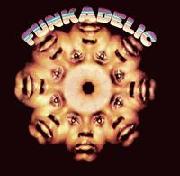
Released in 1970, Funkadelic's self-titled
debutalbum listed only producer Clinton and the
fivemembers of Funkadelic --Hazel,
Nelson,Fulwood,and Ross plus organist Mickey
Atkins -- but alsoincluded all the former
Parliaments plusseveralMotown sessionmen and
RareEarth's RayMonette. Keyboard player Bernie
Worrell alsoappeared on the album uncredited,even
though hispicture was included on theinner sleeve
with therest of the band.
Worrell (born April 19, 1944, Long Beach, NJ)
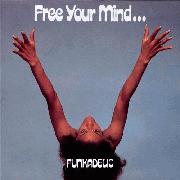
wasfinally credited on the second Funkadelic
album(1970's Free YourMind...and Your Ass
WillFollow).He and Clinton had known each other
since theearly '60s, and Worrell soon became
themostcrucial cog in the P-Funk machine,working
onarrangements and production for most
laterParliament/Funkadelic releases.
Hisstrictupbringing and classical training (at
theNewEngland Conservatory and Juilliard), as well
as theboom in synthesizertechnology during the
early'70s, gave him the tools to createthe
hornarrangements and jazz fusion-inspired synth
runsthatlater trademarked the P-Funk sound. Just
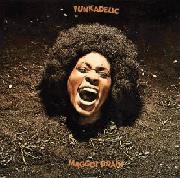
afterthe release of their thirdalbum, Maggot Brain,
P-Funk added yet another bigcontributor,
BootsyCollins. The throbbing bass line of Collins
(bornOctober 26, 1951,Cincinnati, OH) had
previouslybeenfeatured in James Brown's backing
band, theJ.B.'s (along with his brother, guitarist
CatfishCollins).Bootsy and Catfish wereplaying in a
Detroitband in 1972 when George Clinton saw and
hiredthem.
The Clinton/Worrell/Collins lineup premiered
on1972's America Eats Its Young, but soon after
itsrelease several originalmembers left
thecamp.Eddie Hazel spent a year in jail after a
combinationdrug possession/assault conviction,
Tawl Rossleftthe band for medical reasonsrelating
to anoverdose of LSD and speed, and Bill Nelson
quitafter more financial quarrels
withClinton.Funkadelic hired teenaged
guitarsensation MichaelHampton as a
replacement, but both Hazel andNelson
wouldreturn for several later P-Funkreleases.
Funkadelic moved to Warner Bros. in 1975
anddelivered its major-label debut, Hardcore
Jollies,one year later to lacklustersales andreviews.
Thesame year, Westbound raided its vaults
andcountered with Tales of Kidd Funkadelic.
Ironically,thealbum did better thanHardcore Jollies
andincluded an R&B Top 30 single, "Undisco Kidd."
In1977, Westbound released TheBest of the
EarlyYears whileFunkadelic recorded what became
itsmasterpiece (and arguably the best P-Funk
releaseever),1978's One Nation Under a Groove.
During the most successful year
inParliament/Funkadelic history, Parliament hit
thecharts first with "Flash Light," P-Funk'sfirst
R&Bnumberone. "Aqua Boogie" would hit number
oneas well late in the year, but Funkadelic's title
track toOne NationUnder a Groove spent six
weeksat thetop spot on the R&B charts during the
summer. Thealbum, which reflected a
growingconsistency instyles between Parliament
andFunkadelic, becamethe first Funkadelic LP to
reach platinum (the sameyearthat Parliament's
Funkentelechy Vs. thePlacebo Syndrome didthe
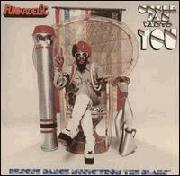
same). In 1979,Funkadelic's "(Not Just) Knee Deep"
hitnumber oneas well, and its album (Uncle Jam
Wants You)reached gold status.
At just the point that Funkadelic appeared to be
atthe top of its powers, the band began to unravel.
Asis sometimes thecase, commercialsuccess
beganto dissolve several old friendships. In 1977,
originalParliaments members Fuzzy Haskins,Calvin
Simon,and Grady Thomashad left the P-Funk
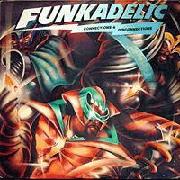
organizationto record on their own. In early 1981,
they hit theR&Bcharts with a single called
"ConnectionsandDisconnections," recorded as
Funkadelic. Toconfuse matters more, the
originalFunkadelicappeared on the charts at the
same time, withthetitle track to The Electric
Spanking of WarBabies.
During 1980, Clinton began to be weighed down
bylegal difficulties arising from Polygram's
acquisitionof Parliament's
label,Casablanca.Jettisoning boththe Parliament
and Funkadelic names (but not themusicians),
Clinton began his solo careerwith1982's Computer
Games. Heand many formerParliament/Funkadelic
members continued to tourand record throughout
the '80sas the P-Funk AllStars, but the
decade'sdisdain of everything to dowith the '70s
resulted in critical and commercialneglectfor the
world's biggest funk band, especiallyone which
inpart had spawned the sound of disco.During the
early '90s, the riseof funk-inspired rap(courtesy of
Digital Underground, Dr. Dre,andWarren G.) and
funk rock (Primus and Red HotChili Peppers)re-
established the status of Clinton &co., one of the
most important forces inthe recenthistory of black
music. « hide |
Similar Bands: Parliament, Cymande, Black Merda, Demon Fuzz, George Clinton and the P-Funk All Stars Contributors: PolyrhythmStew, discovolante, rockandmetaljunkie, Mad., ThrashingWhiplash, mynameismud420, Apocalyptic Raids, DesolationRow, Dr Funkenstein, ArsMoriendi, Zig, rockandmetaljunkie, Frippertronics, SharkTooth, insomniac15, Mad., djon96,
|