|
02-12 Brian May slams cameraman
09-07 Asteroid named Freddiemercury
» Edit Band Information
» Edit Albums
» Add a Review
» Add an Album
» Add News | Queen
Few bands embodied the pure excess of the '70s like Queen. Embracing the exaggerated pomp of prog rock and heavy metal,as well
asvaudevillian music hall, the British quartet delved deeply into camp and bombast, creating a huge, mock-operaticsound with layered
guitarsand overdubbed vocals. Queen's music was a bizarre yet highly accessible fusion of the macho andthe fey. For years, their albums
boastedthe motto "no synthesizers were used on this record," signaling their allegiance withthe legions of post-Led Zeppelin hard rock bands.
Butvocalist Freddie Mercury brought an extravagant sen ...read more
Few bands embodied the pure excess of the '70s like Queen. Embracing the exaggerated pomp of prog rock and heavy metal,as well
asvaudevillian music hall, the British quartet delved deeply into camp and bombast, creating a huge, mock-operaticsound with layered
guitarsand overdubbed vocals. Queen's music was a bizarre yet highly accessible fusion of the macho andthe fey. For years, their albums
boastedthe motto "no synthesizers were used on this record," signaling their allegiance withthe legions of post-Led Zeppelin hard rock bands.
Butvocalist Freddie Mercury brought an extravagant sense of camp toQueen, pushing them toward kitschy humor and pseudo-
classicalarrangements, as epitomized on their best-known song,"Bohemian Rhapsody." Mercury, it must be said, was a flamboyant bisexual
whomanaged to keep his sexuality in the closetuntil his death from AIDS in 1991. Through his legendary theatrical performances,
Queenbecame one of the most popularbands in the world in the mid-'70s; in England, they remained second only to the Beatles in popularity
andcollectibility in the'90s. Despite their enormous popularity, Queen were never taken seriously by rock critics -- an infamous Rolling
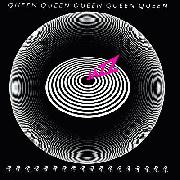
Stonereviewlabeled their 1979 album Jazz as "fascist." In spite of such harsh criticism, the band's popularity rarely waned; even in thelate
'80s,the group retained a fanatical following except in America. In the States, their popularity peaked in the early '80s,just as they
finishednearly a decade's worth of extraordinarily popular records. And while those records were never praised,they sold in enormous
numbers, andtraces of Queen's music could be heard in several generations of hard rock and metalbands in the next two decades, from
Metallica toSmashing Pumpkins.
The origins of Queen lay in the hard rock psychedelic group Smile, which guitarist Brian May and drummer Roger Taylor joinedin
1967.Following the departure of Smile's lead vocalist, Tim Staffell, in 1971, May and Taylor formed a group with FreddieMercury, the former
leadsinger for Wreckage. Within a few months, bassist John Deacon joined them, and they beganrehearsing. Over the next two years, as all
fourmembers completed college, they simply rehearsed, playing just a handful ofgigs. By 1973, they had begun to concentrate on their
career,releasing their debut album, Queen, that year and setting outon their first tour. Queen was more or less a straight metal album and
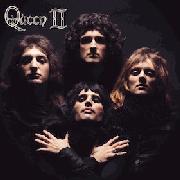
failed toreceive much acclaim, but Queen II became anunexpected British breakthrough early in 1974. Before its release, the band played Top
ofthe Pops, performing "Seven Seas ofRhye." Both the song and the performance were smash successes, and the single rocketed into the
TopTen, setting thestage for Queen II to reach number five. Following its release, the group embarked on its first American tour,
supportingMottthe Hoople. On the strength of their campily dramatic performances, the album climbed to number 43 in the States.
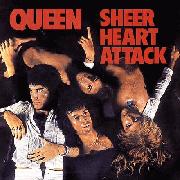
Queen released their third album, Sheer Heart Attack, before the end of 1974. The music hall meets Zeppelin "Killer Queen"climbed tonumber
two on the U.K. charts, taking the album to number two as well. Sheer Heart Attack made some inroads inAmerica as well, settingthe stage
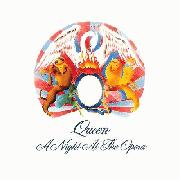
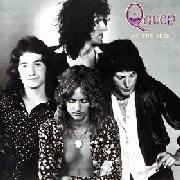
for the breakthrough of 1975's A Night at the Opera. Queen labored long and hard over therecord; according to many reports, itwas the most
expensive rock record ever made at the time of its release. The first singlefrom the record, "Bohemian Rhapsody," becameQueen's signature
song, and with its bombastic, mock-operatic structurepunctuated by heavy metal riffing, it encapsulates their music. Italso is the symbol for
their musical excesses -- the songtook three weeks to record, and there were so many vocal overdubs on the recordthat it was possible to see
through thetape at certain points. To support "Bohemian Rhapsody," Queen shot one of the first conceptualmusic videos, and the gamblepaid
off as the single spent nine weeks at number one in the England, breaking the record for the longest runat number one.The song and A Night
at the Opera were equally successful in America, as the album climbed into the Top Ten andquicklywent platinum.
Following A Night at the Opera, Queen were established as superstars, and they quickly took advantage of all their statushad to offer.
Theirparties and indulgence quickly became legend in the rock world, yet they continued to work at a rapid rate.In the summer of 1976,
theyperformed a free concert at London's Hyde Park that broke attendance records, and theyreleased the hit single "Somebody to Love" a
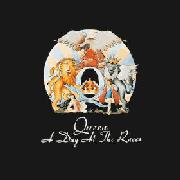
fewmonths later. It was followed by A Day at the Races, which was essentiallya scaled-down version of A Night at the Opera that
reachednumber one in the U.K. and number five in the U.S. Theycontinued to pile up hit singles in both Britain and America over the next five
years,as each of their albums went into the TopTen, always going gold and usually platinum in the process. Because Queen embraced such
masssuccess and adoration, theywere scorned by the rock press, especially when they came to represent all of the worst tendencies of the
oldguard in thewake of punk. Nevertheless, the public continued to buy Queen records. Featuring the Top Five double-A-sided single
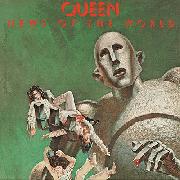
"WeArethe Champions"/"We Will Rock You," News of the World became a Top Ten hit in 1977. The following year, Jazz nearlyreplicated
thatsuccess, with the single "Fat Bottomed Girls"/"Bicycle Race" becoming an international hit despite the massivebad publicity
surroundingtheir media stunt of staging a nude female bicycle race.
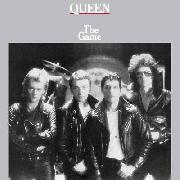
Queen were at the height of their popularity as they entered the '80s, releasing The Game, their most diverse album to date,in 1980. Onthe
strength of two number one singles -- the campy rockabilly "Crazy Little Thing Called Love" and the disco-fied"Another One Bites theDust" --
The Game became the group's first American number one album. However, the bottom fell outof the group's popularity, particularlyin the
U.S., shortly afterward. Their largely instrumental soundtrack to Flash Gordon wascoldly received later in 1980. With the help ofDavid Bowie,
Queen were able to successfully compete with new wave with the1981 hit single "Under Pressure" -- their first U.K. numberone since
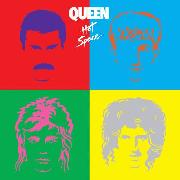
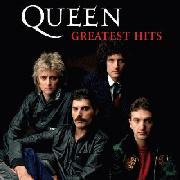
"Bohemian Rhapsody" -- which was included both on their1981 Greatest Hits and 1982's Hot Space. Instead of proving thegroup's vitality,
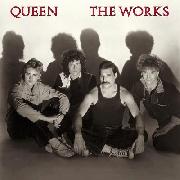
"Under Pressure" was a last gasp. Hot Spacewas only a moderate hit, and the more rock-oriented The Works (1984) alsowas a minor hit, with
only "Radio Ga Ga" receivingmuch attention. Shortly afterward, they left Elektra and signed with Capitol.
Faced with their decreased popularity in the U.S. and waning popularity in Britain, Queen began touring foreign markets,cultivating a
large,dedicated fan base in Latin America, Asia, and Africa, continents that most rock groups ignored. In 1985,they returned to popularity
inBritain in the wake of their showstopping performance at Live Aid. The following year, theyreleased A Kind of Magic to strong Europeansales,
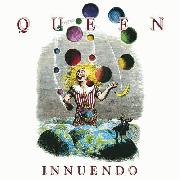
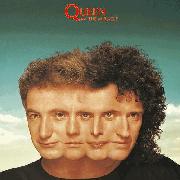
but they failed to make headway in the States. The same fate befell1989's The Miracle, yet 1991's Innuendo was greeted morefavorably,
going gold and peaking at number 30 in the U.S.Nevertheless, it still was a far bigger success in Europe, entering the U.K. chartsat number
one.
By 1991, Queen had drastically scaled back their activity, causing many rumors to circulate about Freddie Mercury's health.On November23,
he issued a statement confirming that he was stricken with AIDS; he died the next day. The followingspring, the remaining members ofQueen
held a memorial concert at Wembley Stadium that was broadcast to an internationalaudience of more than one billion. Featuring suchguest
artists as David Bowie, Elton John, Annie Lennox, Def Leppard, andGuns N' Roses, the concert raised millions for the MercuryPhoenix Trust,
which was established for AIDS awareness. Theconcert coincided with a revival of interest in "Bohemian Rhapsody," whichclimbed to number
two in the U.S. and number onein the U.K. in the wake of its appearance in the Mike Myers comedy Wayne's World.
Following Mercury's death, the remaining members of Queen were fairly quiet. Brian May released his second solo album, Backto the Light,in
1993, ten years after the release of his first record. Roger Taylor cut a few records with the Cross, which hehad been playing with since1987,
while Deacon essentially retired. The three reunited in 1994 to record backing tapes forvocal tracks Mercury recorded on hisdeathbed. The
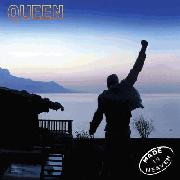
resulting album, Made in Heaven, was released in 1995 to mixed reviewsand strong sales, particularly in Europe. CrownJewels, a box set
repackaging their first eight LPs, followed in 1998. Archivallive recordings, DVDs, and compilations kept appearingthrough the new
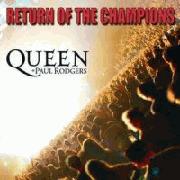
millennium. The Queen name was revived in 2005, butthis time with "+ Paul Rodgers" appended to it. Rodgers, the formerlead singer of Free
and Bad Company, joined Brian May andRoger Taylor (John Deacon remained retired) for several live shows, one of whichwas documented on
2005's Return of theChampions, a double-disc release issued by the Hollywood label. International touring continued,as did a new studio
albumfeaturing Rodgers' vocals. Released under the "Queen + Paul Rodgers" tag, The Cosmos Rocks appeared inSeptember 2008,followed by
an American release one month later. Reception was decidedly mixed. « hide |
Similar Bands: The Who, David Bowie, Elton John, Smile, Freddie Mercury Contributors: ZeCham0, Frippertronics, AleksiS, rockandmetaljunkie, TheRamblingElf, demon of surveillance, Dave de Sylvia, Willie, Meatplow, Necrotica, hitman, DruggieDougie, bastard, jarhead12343, badtaste, Azazel223, The Jungler, gitaTAYLOR, TangledUpxxInPlaid, Alex101, mercury, streamlined_mongoose, ToSmokMuzyki, e210013, Zig, manosg, Nagrarok, Arcade, Frippertronics, BMDrummer, Insurrection, Voivod, Mikesn, Willie, Iai,
|