|
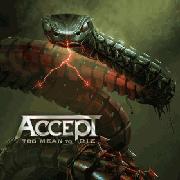
11-06 Accept debut 'Too Mean To Die'
10-02 Accept premiere new song
07-02 Accept share new video, album
08-13 Accept release new lyric video
06-27 New Accept video
» Edit Band Information
» Edit Albums
» Add a Review
» Add an Album
» Add News | Accept
With their brutal, simple riffs and aggressive, fast tempos, Accept was one of the top metal bands of the early '80s, and a major influence onthedevelopment of thrash. Led by the unique vocal stylings of screeching banshee Udo Dirkschneider, the band forged an instantlyrecognizablesound and was notorious as one of the decade's fiercest live acts. Despite recording two of the best heavy metal albums of thedecade inRestless and Wild and Balls to the Wall, Accept remained too heavy and extreme for American audiences to embrace -- evenwhen they tried totone down their act with more melodic songs. ...read more
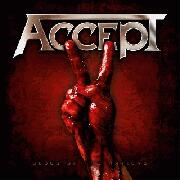
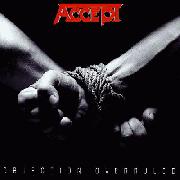
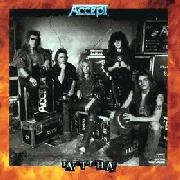
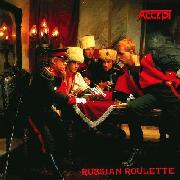
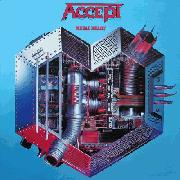
With their brutal, simple riffs and aggressive, fast tempos, Accept was one of the top metal bands of the early '80s, and a major influence onthedevelopment of thrash. Led by the unique vocal stylings of screeching banshee Udo Dirkschneider, the band forged an instantlyrecognizablesound and was notorious as one of the decade's fiercest live acts. Despite recording two of the best heavy metal albums of thedecade inRestless and Wild and Balls to the Wall, Accept remained too heavy and extreme for American audiences to embrace -- evenwhen they tried totone down their act with more melodic songs. Ultimately having conquered the rest of the world, but with their careerstalled in the U.S., Acceptfell apart, and by the time they reunited years later there was nothing left for them to say.Vocalist Udo Dirkschneider formed Accept in his hometown of Solingen, Germany, in the early '70s, but it wasn't until quite a few years laterthatthe band settled on a somewhat stable lineup, including guitarists Wolf Hoffman and Gerhard Wahl, bassist Peter Baltes, and drummerFrankFriedrich. A well-received performance at the Rock Amrhein Festival in 1976 brought them national attention, and they finallyobtained a recordingcontract after replacing Wahl with guitarist Jorg Fischer two years later. Issued in 1979, their eponymous debut wasbadly produced, featuredmostly subpar songwriting, and did absolutely nothing for the group. But with the arrival of new drummer StefanKaufmann prior to 1980s much-improved I'm a Rebel, the band had the final ingredient they were looking for, and their popularity begangrowing by leaps and bounds.1981's even more accomplished Breaker was engineered by Michael Wagener (who would go on to produce such major hard rock acts asMotleyCrue, Alice Cooper, and Ozzy Osbourne, among others) and continued to develop Accept's trademark sound, featuring the massivecrunch andtight precision of Hoffman and Fischer's guitars laying the foundation for Dirkschneider's inimitable shriek -- akin to Bon Scotton helium. Theyalso signed a worldwide deal with CBS Records subsidiary Portrait, and secured professional management from GabyHauke, who, under theDeaffy pseudonym, would help the band write most of their English lyrics from this point forward. Despite Fischer'ssudden departure after asuccessful European tour supporting Judas Priest, the band was now poised to conquer Europe with their powerfulTeutonic heavy metal.All the elements were falling into place, and with the release of 1982's Restless and Wild, Accept finally stamped their passports tostardom. Aheavy metal milestone, the album broke the band's career wide open, established their signature sound for years to come, and inthe incredible"Fast as a Shark," featured possibly the first true thrash metal song ever recorded. Guitarist Hermann Frank was brought infor the ensuing tour,which, thanks to their ferocious live shows (including choreographed headbanging stage antics), turned the band intotrue stars all across Europeand the U.K. 1983's equally revered Balls to the Wall was an even greater commercial triumph, and qualified asone of the most obsessive,sexually explicit albums of all time. Led by the controversial title track, it broke the band worldwide and earnedthem their first magazineheadlines in America. Fischer was invited back into the fold at this time, and the band embarked on a yearlongword tour that took them as far asJapan and culminated in a triumphant appearance at the 1984 Castle Donington Monster of RockFestival.With America now looming in their sight, the band decided to hire producer Dieter Dirks (of Scorpions fame) to give 1985's Metal Heart amorecommercial edge and extra sense of melody. Also with U.S. audiences in mind, they abandoned the hedonistic fetishes of releasespast in favor ofa much lighter sexual tone and typical heavy metal subject matter like the title track's apocalyptic vision. The results weremixed, for while thealbum certainly helped to further their cause in the States -- where they embarked upon a very successful tour sharing adouble bill with Swisshard rockers Krokus -- it tarnished their reputation among some of their loyal following back home. A live EP recordedin Japan entitled KaizokuBan kicked off the new year, as the band prepared to begin work on their seventh album, Russian Roulette, againwith Michael Wagener at thecontrols. A somewhat rushed, halfhearted attempt to backtrack into more aggressive metal territory, the albumled to a serious splintering withinthe group, and after headlining a sold-out European tour with Dokken in support, Accept announced thatthey were taking an open-ended breakso that Dirkschneider could record a solo project.Simply called U.D.O., the singer's first album, Animal House, was actually written and performed by his former bandmates. But when.D.O.released a second album, Mean Machine, in 1988, backed by a new band, the remaining members of Accept (Fischer had left onceagain)began trying out new vocalists, eventually settling on American David Reece for 1989's Eat the Heat. A lightweight metal album, itborelittle resemblance to classic Accept, and the band's subsequent U.S. tour (with second guitarist Jim Stacy) was first interruptedwhenKaufmann suffered a back injury (he was replaced by House of Lords' Ken Mary, then cut short due to poor ticket sales andincreasingpersonality differences with Reece). The group eventually disbanded and, except for the release of 1990s Staying a Life (a livealbumfeaturing the original lineup in their prime), nothing was heard of Accept for the next three years.To everyone's surprise, Dirkschneider, Hoffman, Baltes, and Kaufmann eventually reconvened in 1992 to record Objection Overruled, whichfaredrelatively well in Europe but didn't even dent the alternative rock-dominated U.S. market. The band continued to tour Europe andrecordedsporadically over the next few years, releasing Death Row in 1994 and Predator (featuring Damn Yankees drummer MichaelCartellone) in 1996.Their final world tour included swings through North and South America and concluded with a number of sold-outengagements in Japan, afterwhich Accept officially called it a day until, 14 years later, they came out of retirement to release their 12thstudio album, Blood of Nations, in2010. Stalingrad: Brothers in Death followed two years later. « hide |
Similar Bands: AC/DC, U.D.O., Judas Priest, Saxon, Scorpions Contributors: nylonhair, discovolante, arcane, Oswaldo88, AleksiS, itsdark, rockandmetaljunkie, morrissey, Nagrarok, Mikesn, La Revolucion, galeleio, Alex101, KManoc1, Matthias812, gocsa666, TheNotrap, ArsMoriendi, Sabrutin, loeb, RunOfTheMill, Voivod, Atari, KILL, Mitridates, rockandmetaljunkie, Nagrarok, Mikesn,
|