|
| |
|
|
|
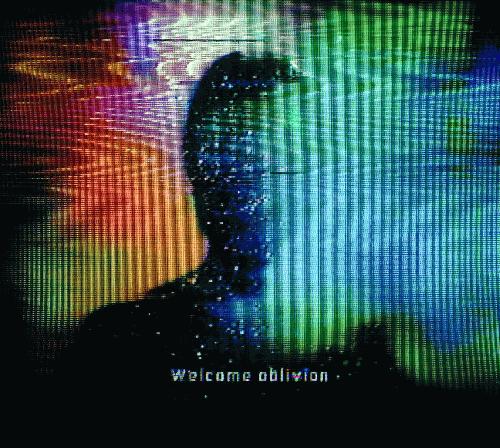
Review Summary: A band treading water has never sounded so good. In my review for the How to Destroy Angels "An Omen" EP last November, I made the claim that if the band's forthcoming full length were a success, it would not be a surprise. Now, here we are, in the waning days of February 2013, and I have found that I was correct- HTDA's debut LP is a quality record, and it is certainly not a surprise. The album is, in fact, everything that could be reasonably expected. It is no more, and it is no less.
Whether that statement reads as positive or negative depends on your perspective. On one hand, "Welcome Oblivion" does many things right. Most importantly, it makes Reznor's side project feel like a worthwhile endeavor. As we saw happening on "An Omen," HTDA have used their new material to further evolve into their own musical entity, which is vital, since their debut EP felt so much like watered-down Nine Inch Nails. The music here, while still indebted to NIN in some respects, manages to easily stand on its own, and I would have to say that it actually sounds less like Trent Reznor than anything else he has previously been involved with. The other three band members have definitely made their presence felt, and its easy to picture Reznor taking a more relaxed approach to the creative process in the studio, managing to go against his nature by not playing the role of mastermind and allowing the group to work as a cohesive unit.
The results of this are mostly strong, as the album contains few missteps in its 13 song, 65 minute run time. The music we are treated to is incredibly ambient, absorbing listeners into some sort of glitched out, post apocalyptic, cyber punk world. Fittingly enough, the record is often more startlingly creepy than it is beautiful. Some of the material from "An Omen" is recycled here, and while that was originally disappointing on paper, those tracks have found a good, fitting home on "Welcome Oblivion". The songs, with the exception of the out of place, ill advised "How Long", all bleed together, carried by humming, often distorted synths, and contain vocals from both Mariqueen and Trent that act more as atmospheric flourishes than melodic centerpieces. Highlights include the dark, intoxicating basslines of "Keep It Together", the disjointed, plucking strings of "Ice Age", the muted screams of "We Fade Away," and the terrifying, aural chaos of the aptly titled "The Sky Began To Scream." As typical for a Reznor project, the production is second to none, and repeated listenings with headphones pay off as layered sounds will begin to unearth themselves to the attentive listener.
All of that being said, the album still leaves the listener somewhat unfulfilled, as it carries a pervasive feeling of untapped potential. With the best NIN albums, we were often given the impression that Trent Reznor was pushing boundaries. The music felt bold, powerful, and progressive. Listening to those albums for the first time was a journey, as they seemed unpredictable from start to finish. Every song attempted to be something different from its predecessors, and that was where the excitement that NIN generates originated. With "Welcome Oblivion," it becomes apparent at a certain point during the listening that the band is treading water. Yes, they've reached an interesting and worthwhile sound, but it lacks the unpredictability and the sense of danger that it needs make the transition from just being a simply enjoyable record to a truly excellent one. "Welcome Oblivion" will certainly get its fair share of rotations from me, and it may have the potential to be a grower, but for now, I'm still waiting for the record that allows HTDA to truly step out from behind NIN's massive shadow.
Recommended Tracks:
Keep It Together
The Sky Began To Scream
Ice Age
We Fade Away
| other reviews of this album |
|
Solid review for a solid album.
| | |
i love their banner, it is a tribute to Coil's first record: http://rateyourmusic.com/release/ep/coil/how_to_destroy_angels/
decent NIN side-pro
| | | Album Rating: 4.0
Strings And Attractors deserves mention. Unless you got a preview copy it's a good review for
something released only yesterday.
| | | Album Rating: 3.5
Yeah, Strings and Attractors is really good. Probably would have been the next song I mentioned if I wanted to talk about more. I was really close to giving this a 4, I kept switching back and forth as I was writing. In reality it's probably a 3.7 or 3.8. I heard this late last night and listened all morning while writing. I also probably should have mentioned that How Long sounds ridiculously out of place, and just bad around everything else, even though I enjoyed it as a single (worked extremely well with the video, I thought.) Might have to do a quick edit.
| | | Album Rating: 3.5
Double post mistake... oops.
| | | Album Rating: 4.0
Only four of them, really.
| | | Album Rating: 4.5
I think the only track I didn't consider to be fantastic was Recursive Self-Improvement. It's still pretty good. In terms of experimentation, this record is on par with Nine Inch Nails' The Fragile, which is my favorite album.
| | | Album Rating: 4.5
...as a record, my only complaint is that the arrangement of the songs feels weird. The songs by themselves are great, which is honestly weird for Reznor's music. His previous records, The Fragile in particular (my favorite album), sounded great as a whole, each song seguing flawlessly in my opinion to the next like a disarrayed orchestra of guitars and drums. So the song order in this new record is different, for better. This is still the best album I've listened to in a long time.
| | | Album Rating: 4.0
Great review, man. Pos. I'll upload mine soon. I thought that How Long ? is a solid track and it sounds well within the record. Also, as much as I like Alessandro Cortini, We Fade Away is a bit disappointing.
| | | Album Rating: 4.0
This album is tons of fun! Reminds me of Portishead, but less emo.
| | |
gonna jam now
| | |
ice age is immediately a standout
| | |
sing the fucking songs you told the world to sing
| | | Album Rating: 3.0
if only Trent Reznor was singing instead I would definitively give this a chance
| | |
give it a chance anyway
| | | Album Rating: 3.0
I tried to listen, like the way it sounds it's really badass. I just need to used to the female vocalist and it might grow on me.
| | | Album Rating: 3.5
I definitely like that they've grown into their own thing instead of being NIN with Reznor's wife singing, although I have enjoyed everything they've ever released.
| | | Album Rating: 3.5 | Sound Off
Still a big disappointment.
| | | Album Rating: 3.5 | Sound Off
"instead of being NIN with Reznor's wife singing"
NIN-lite is preferable to what they did here. It is so disjointed when it isn't being dull.
I should say, though, that this review gives voice to what I feel about the record itself. It some
really good ideas, but for me they occasionally feel wasted or like not enough was done with them.
| | | Album Rating: 4.0
Im just glad a mainstream artist is making electronic music that isn't some indie crap, electro-dance
or modern dubstep style.
This album is pretty solid
| | | |
|
| |