» Edit Band Information
» Edit Albums
» Add a Review
» Add an Album
» Add News | Sex Pistols
The Sex Pistols may have only been together for two years in the late '70s, but they helped changed the faceof popularmusic. Throughtheirraw, nihilistic singles and violent performances, the band revolutionized theidea of what rock & roll couldbe. In England, the groupwasconsidered dangerous to the very fabric of societyand was banned across the country; inAmerica, they didn't have the same impact,butcountless bands inboth countries were inspired by the sheer sonic force oftheir music, while countless others were inspiredbytheirindependent, do-it-yourself ethics. Even if they didn't release a ...read more
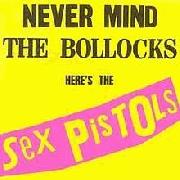
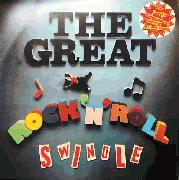
The Sex Pistols may have only been together for two years in the late '70s, but they helped changed the faceof popularmusic. Throughtheirraw, nihilistic singles and violent performances, the band revolutionized theidea of what rock & roll couldbe. In England, the groupwasconsidered dangerous to the very fabric of societyand was banned across the country; inAmerica, they didn't have the same impact,butcountless bands inboth countries were inspired by the sheer sonic force oftheir music, while countless others were inspiredbytheirindependent, do-it-yourself ethics. Even if they didn't release anysingles by themselves, there was animplicit independence in the waytheyplayed their music and handled their career. Theband gave birth to themassive independent music underground in England and Americathatwould soon include bands thatdidn'thave a direct musical connection to the Sex Pistols' initial three-minute blasts of rage, butcouldn'thaveexisted withoutthose singles.Guitarist Steve Jones and drummer Paul Cook were regulars at a boutique owned bytheirmanager,MalcolmMcLaren; bassist Glen Matlock worked at the store. Vocalist John Lydon, who would later perform underthename JohnnyRotten, metthe rest of the group at the shop and was asked to join the band. While the bandplayed simplerock & roll loudly and abrasively,Rottenarrogantly sang of anarchy, abortion, violence, fascism,and apathy; without Rotten,the band wouldn't have been threatening toEngland'sgovernment -- heprovided the band's conceptual direction, calculatedto be as confrontational and threatening as possible.Thepublicity causedby their caustic first single "Anarchy in the U.K."caused the band to be dropped by theirrecord label, EMI. Matlock wasfired before their nextsingle "God Save the Queen,"which was released onVirgin; it was banned by the BBC. Matlock's replacement was SidVicious, a tough streetkid who, unliketherest of the band, couldn't play his instrument.After releasing one album in 1977, the band headedover to the U.S. foratour in January of 1978; it lasted 14days. Rotten left the band after their show at San Francisco's Winterland BallroomonJanuary 14,headingback to New York; he would form Public Image Limited later that year. McLaren tried to continue the bandbutCook andJones soonturned against him. In the two decades following the Sex Pistols' implosion, an endlessstream ofouttakes, demos, repackagings,and liveshows were released on a variety of labels, which onlyhelped their cult grow.In 1996,to celebrate their impending twentiethanniversary, theSex Pistols reunited, with original bassistGlen Matlock taking the placeof the deceased Sid Vicious. The band embarked on aninternationaltour in Juneof 1996, releasing the Filthy Lucre Live albumthe following month. Four years later, Julien Temple (whohelmed theband's firstmovie, The Great Rock & Roll Swindle)directed the documentary film The Filth & theFury. ~ Stephen Thomas Erlewine, All MusicGuide « hide |
Similar Bands: Public Image Ltd., The Clash, The Damned, Crass, Sham 69 Contributors: TheDangerman, GhandhiLion, Zig, discovolante, DikkoZinner, BMDrummer, Minushuman24, keefrzreefrz, rockandmetaljunkie, Willie, Mikesn, DylanDoorsfan, tom79, Alex101, morrissey, Dave de Sylvia, Med57, ogan, ToSmokMuzyki, manosg, NordicMindset, trackbytrackreviews, KILL, rockandmetaljunkie, StevenHyde, AliW1993, Skyler,
|