» Edit Band Information
» Edit Albums
» Add a Review
» Add an Album
» Add News | Roy Buchanan
Roy Buchanan has long been considered one of the finest, yet criminally overlooked guitarists of the blues rock genre
whoselyrical leads and use of harmonics would later influence such guitar greats as Jeff Beck, his one-time student
RobbieRobertson, and ZZ Top's Billy Gibbons. Although born in Ozark, AR, on September 23, 1939, Buchanan grew up in the
smalltown of Pixley, CA. His father was both a farmer and Pentecostal preacher, which would bring the youngster his first
exposureto gospel music when his family would attend racially mixed revival meetings. But it was when Buchanan came ...read more
Roy Buchanan has long been considered one of the finest, yet criminally overlooked guitarists of the blues rock genre
whoselyrical leads and use of harmonics would later influence such guitar greats as Jeff Beck, his one-time student
RobbieRobertson, and ZZ Top's Billy Gibbons. Although born in Ozark, AR, on September 23, 1939, Buchanan grew up in the
smalltown of Pixley, CA. His father was both a farmer and Pentecostal preacher, which would bring the youngster his first
exposureto gospel music when his family would attend racially mixed revival meetings. But it was when Buchanan came across
late-night R&B radio shows that he became smitten by the blues, leading to Buchanan picking up the guitar at the age of
seven.First learning steel guitar, he switched to electric guitar by the age of 13, finding the instrument that would one day
becomehis trademark: a Fender Telecaster. By 15, Buchanan knew he wanted to concentrate on music full-time and
relocated to LosAngeles, which contained a thriving blues/R&B scene at the time. Shortly after his arrival in L.A., Buchanan
was taken underthe wing by multi-talented bluesman Johnny Otis, before studying blues with such players as Jimmy Nolen
(later with JamesBrown), Pete Lewis, and Johnny "Guitar" Watson. During the mid- to late '50s, Buchanan led his own rock
band, theHeartbeats, which soon after began backing rockabilly great Dale ("Suzy Q") Hawkins.By the dawn of the '60s,
Buchanan had relocated once more, this time to Canada, where he signed on with rockabilly singerRonnie Hawkins. The bass
player of Ronnie Hawkins' backing band, the Hawks, studied guitar with Buchanan during his tenurewith the band. Upon
Buchanan's exit, the bassist-turned-guitarist would become the leader of the group, which wouldeventually become popular
roots rockers the Band: Robbie Robertson. Buchanan spent the '60s as a sideman with obscureacts, as well as working as a
session guitarist for such varied artists as pop idol Freddy Cannon, country artist Merle Kilgore,and drummer Bobby Gregg,
among others, before Buchanan settled down in the Washington, D.C., area in the mid- to late'60s and founded his own
outfit, the Snakestretchers. Despite not having appeared on any recordings of his own, word ofBuchanan's exceptional
playing skills began to spread among musicians as he received accolades from the likes of JohnLennon, Eric Clapton, and Merle
Haggard, as well as supposedly being invited to join the Rolling Stones at one point (which heturned down).
The praise eventually led to an hour-long public television documentary on Buchanan in 1971, the appropriately titled TheBest
Unknown Guitarist in the World, and a recording contract with Polydor Records shortly thereafter. Buchanan spent
theremainder of the decade issuing solo albums, including such guitar classics as his 1972 self-titled debut (which contained
oneof Buchanan's best-known tracks, "The Messiah Will Come Again"), 1974's That's What I Am Here For, and 1975's Live
Stock,before switching to Atlantic for several releases. But by the '80s, Buchanan had grown disillusioned by the music
business dueto the record company's attempts to mold the guitarist into a more mainstream artist, which led to a four-year
exile frommusic between 1981 and 1985.
Luckily, the blues label Alligator convinced Buchanan to begin recording again by the middle of the decade, issuing such
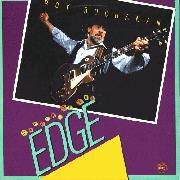
solidand critically acclaimed releases as 1985's When a Guitar Plays the Blues, 1986's Dancing on the Edge, and 1987's Hot
Wires.But just as his career seemed to be on the upswing once more, tragedy struck on August 14, 1988, when Buchanan
waspicked up by police in Fairfax, VA, for public intoxication. Shortly after being arrested and placed in a holding cell, a
policemanperformed a routine check on Buchanan and was shocked to discover that he had hung himself in his cell.
Buchanan's statureas one of blues-rock's all-time great guitarists grew even greater after his tragic death, resulting in such
posthumouscollections as Sweet Dreams: The Anthology, Guitar on Fire: The Atlantic Sessions, Deluxe Edition, and 20th
Century Mastersand the live When a Telecaster Plays the Blues, which appeared in 2009. « hide |
Similar Bands: Gary Moore, B.B. King, Jeff Beck, Peter Green Contributors: rockandmetaljunkie, tarkus, ritchierich1, RunOfTheMill, Voivod, tarkus,
|