|
|
| LPs |
 | String Quartet No. 16 in F major, Op. 135
1826
|
 | String Quartet No. 15 in A minor, Op. 132
1825
|
 | String Quartet No. 13 in B♭ major, Op. 130
1825
|
 | String Quartet No. 14 in C♯ minor, Op. 131
1825
|
 | Symphony No. 9 in D minor, Op. 125
1824
|
 | String Quartet No.12 E-flat Major,Op127
1824
|
 | Variations on a waltz by Anton Diabelli, Op. 120
1823
|
 | Missa solemnis, Op. 123
1823
|
 | Piano Sonata No. 32 in C minor, Op. 111
1822
|
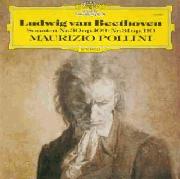 | Piano Sonata No. 31 in A♭ major, Op. 110
1821
|
 | Piano Sonata No. 30 in E major, Op. 109
1820
|
 | "Hammerklavier" Piano Sonata No. 29 in B♭ major, Op. 106
1818
|
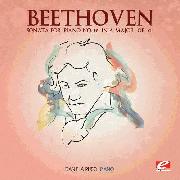 | Piano Sonata No. 28 in A major, Op. 101
1816
|
 | Violin Sonata No. 10, Op. 96
1816
|
 | Piano Sonata No. 27 in E minor, Op. 90
1815
|
 | Fidelio, Op. 72
1814
|
 | Symphony No. 8 in F major, Op. 93
1814
|
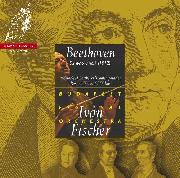 | Symphony No. 7 in A major, Op. 92
1813
|
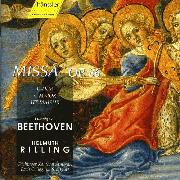 | Mass in C Major, Op. 86
1812
|
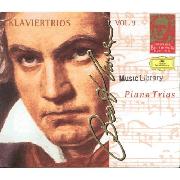 | Piano Trio, Op. 97
1811
|
 | "Serioso" String Quartet No. 11 in F minor, Op. 95
1810
|
 | "Les Adieux" Piano Sonata No. 26 in E♭ major, Op. 81a
1810
|
 | Piano Concerto No. 5, Op. 73 "Emperor"
1809
|
 | Piano Sonata No. 24 in F♯ major, Op. 78
1809
|
 | Piano Trios, Op. 70
1809
|
 | String Quartet No.10 E-flat Major, Op.74
1809
|
 | Piano Sonata No. 25 in G major, Op. 79
1809
|
 | "Pastoral" Symphony No. 6 in F major, Op. 68
1808
|
 | Symphony No. 5 in C minor, Op. 67
1808
|
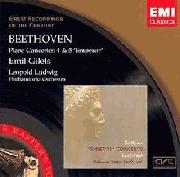 | Piano Concerto No. 4 in G major, Op. 58
1808
|
 | Symphony No. 4 in B♭, Op. 60
1807
|
 | "Appassionata" Piano Sonata No. 23 in F minor, Op. 57
1807
|
 | String Quartet No.8 E Minor, Op.59, No.2
1806
|
 | String Quartet No.7 F Major, Op.59, No.1
1806
|
 | Violin Concerto in D major, Op. 61
1806
|
 | String Quartet No.9 C major, Op.59, No.3
1806
|
 | Symphony No. 3 in E♭ “Eroica” Op. 55
1805
|
 | Piano Sonata No.19 G Minor, Op.49, No.1
1805
|
 | Piano Sonata No.20 G Major, Op.49, No.2
1805
|
 | Piano Sonata No. 22 in F major, Op. 54
1804
|
 | Piano Sonata No. 21 in C Major, Op. 53
1804
|
 | Christus am Ölberge, Op. 85
1804
|
 | Triple Concerto in C Major, Op. 56
1804
|
 | Piano Concerto No.3 in C Minor, Op.37
1803
|
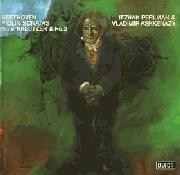 | Violin Sonata No.9 in A major, Op.47
1803
|
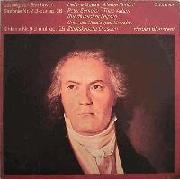 | Symphony No. 2 in D major, Op. 36
1803
|
 | Piano Sonata No. 16 in G Major, Op. 31-No.1
1802
|
 | Violin Sonata No.6-7-8, Op.30 No.1-2-3
1802
|
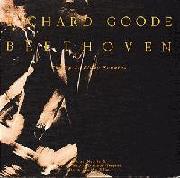 | Piano Sonata Nos. 16-18, Op. 31
1802
|
 | Piano Sonata No.17 D Minor, Op.31, No.2
1802
|
 | Piano Sonata No18 E-flat Major,Op.31,No3
1802
|
 | "Pastorale" Piano Sonata No. 15 in D major, Op. 28
1801
|
 | Piano Sonata No. 13 in E♭ major, Op. 27, No. 1
1801
|
 | Piano Sonata No14 C-sharp minor,Op.27No2
1801
|
 | Piano Sonata No.12 A-flat major, Op.26
1801
|
 | The Creatures of Prometheus, Op. 43
1801
|
 | Piano Concerto No. 2 in B♭ major, Op. 19
1801
|
 | Symphony No. 1 in C major, Op. 21
1800
|
 | String Quartet No. 6 in B♭ major, Op. 18, No. 6
1800
|
 | String Quartet No. 5 in A major, Op. 18, No. 5
1800
|
 | String Quartet No. 4 in C minor, Op. 18, No. 4
1800
|
 | String Quartet No. 3 in D major, Op. 18, No. 3
1800
|
 | String Quartet No. 2 in G major, Op. 18, No. 2
1800
|
 | String Quartet No. 1 in F major, Op. 18, No. 1
1800
|
 | Piano Sonata No. 11 in B♭ major, Op. 22
1800
|
 | Piano Sonata No. 10 in G major, Op. 14, No. 2
1799
|
 | Septet in E-flat major, Op. 20
1799
|
 | Piano Sonata No. 9 in E major, Op. 14, No. 1
1799
|
 | Piano Concerto No. 1 in C major, Op. 15
1798
|
 | "Pathétique" Piano Sonata No. 8 in C minor, Op. 13
1798
|
 | Piano Sonata No. 7 in D major, Op. 10, No. 3
1798
|
 | Piano Sonata No. 6 in F major, Op. 10, No. 2
1798
|
 | Piano Sonata No. 5 in C minor, Op. 10, No. 1
1798
|
 | Three String Trios, Op. 9
1798
|
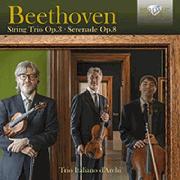 | String Trio No.2 in D major, Op.8
1797
|
 | "Grand" Piano Sonata No. 4 in E♭ major, Op. 7
1797
|
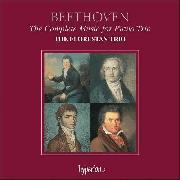 | Piano Trio, Op. 11
1797
|
 | Quintet for Piano and Winds, Op. 16
1796
|
 | Piano Sonata No. 3 in C major, Op. 2, No. 3
1795
|
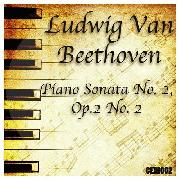 | Piano Sonata No. 2 in A major, Op. 2, No. 2
1795
|
 | Piano Sonata No. 1 in F minor, Op. 2, No. 1
1795
|
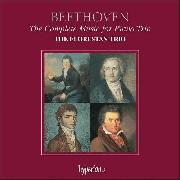 | Piano Trio No. 1-2-3, Op.1
1795
|
 | String Trio No. 1 in E♭ major Op. 3
1794
|
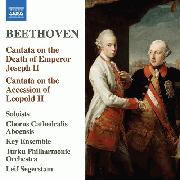 | Cantata on the Death of Emperor Joseph II, WoO 87
1790
|
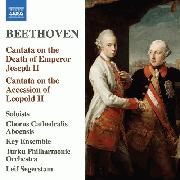 | WoO 88: Cantata - Accession of Emperor Leopold II
1790
|
| EPs |
 | Große Fuge, Op. 133
1825
|
 | Bagatelles, Op. 126
1825
|
 | Bagatelles, Op. 119
1823
|
 | Die Weihe des Hauses, Op.124
1822
|
 | Fugue for String Quintet in D major, Op. 137
1817
|
 | Cello Sonata No. 4 in C major, Op. 102/1
1815
|
 | Cello Sonata No. 5 in D major, Op. 102/2
1815
|
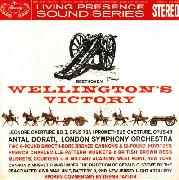 | Wellington's Victory, Op. 91
1813
|
| The Ruins of Athens
1811
|
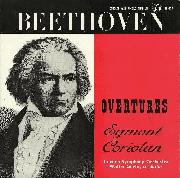 | Egmont, Op. 84
1810
|
 | Bagatelle No. 25 in A minor "Für Elise", WoO 59
1810
|
 | Fantasia in G minor, Op. 77
1809
|
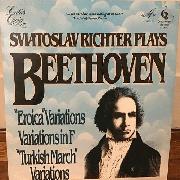 | Variations on the "Turkish March" Op. 76
1809
|
 | Choral Fantasy, Op. 80
1808
|
 | Cello Sonata No. 3 in A Major, Op. 69
1808
|
| Coriolan Overture, Op. 62
1807
|
 | 32 Variations in C Minor, WoO 80
1806
|
| Leonore Overture No. 2, Op. 72a
1805
|
 | Violin Romance No. 2 in F major, Op. 50
1805
|
 | Violin Romance No. 1 in G major, Op. 40
1803
|
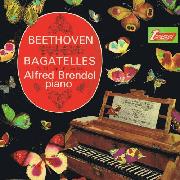 | Bagatelles, Op. 33
1803
|
 | 6 Variations on an Original Theme in F, Op.34
1802
|
 | Eroica Variations Op. 35
1802
|
 | Violin Sonata No. 4 in A minor, Op. 23
1801
|
 | Violin Sonata No.5 in F major, Op.24
1801
|
 | Violin Sonata No. 1 in D major, Op. 12, No. 1
1798
|
 | Violin Sonata No.2 A Major, Op.12, No.2
1798
|
 | Violin Sonata No. 3 in E♭ major, Op.12, 3
1798
|
 | Rage Over a Lost Penny in G Major, Op. 129
1798
|
 | Sonata for Piano, Four Hands in D major Op. 6
1797
|
 | WoO 43/44: Sonatina for mandolin and harpsichord
1796
|
 | Cello Sonatas Nos. 1 and 2, Op. 5
1796
|
| Piano Sonata No. 19 in G Major, Op. 49
1796
|
 | Three piano quartets, WoO 36
1785
|
 | Three Early Piano Sonatas, WoO 47,
1783
|
 | Nine Variations on a March by Dressler, WoO 63
1782
|
|
| Compilations |
 | Very Best of Beethoven
2005
|
 | Herbert von Karajan: The Nine Symphonies
1963
|
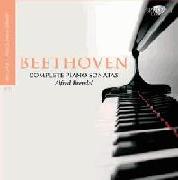 | Complete Piano Sonatas
1858
|