|
|
| LPs |
 | The Art of the Fugue, BWV 1080
1751
|
 | Mass in B minor, BWV 232
1749
|
 | An Wasserflüssen Babylon, BWV 653
1748
|
 | Ach bleib bei uns, Herr Jesu Christ, BWV 649
1748
|
 | The Musical Offering, BWV 1079
1747
|
 | Vom himmel hoch da kom ich her, BWV 769
1747
|
 | Concerto for 2 Harpsichords in C minor, BWV 1060
1745
|
 | Concerto for 3 Harpsichords in D minor, BWV 1063
1745
|
 | Triple Concerto in A minor BWV 1044
1744
|
 | The Well-Tempered Clavier II BWV 870-893
1742
|
 | Goldberg Variations, BWV 988
1741
|
 | Concerto 3 Violins in D Minor, BWV 1064R
1740
|
 | Suite No. 2 in B minor, BWV 1067
1739
|
 | Clavier-Übung III, BWV 669-689
1739
|
 | Harpsichord Concerto No.6 in F major, BWV 1057
1738
|
 | Harpsichord Concerto No. 5 in F minor, BWV 1056
1738
|
 | Harpsichord Concerto No. 4 in A major, BWV 1055
1738
|
 | Harpsichord Concerto No. 3 in D major, BWV 1054
1738
|
 | Harpsichord Concerto No. 2 in E major, BWV 1053
1738
|
 | Concerto No.7 in G Minor, BMV 1058
1738
|
 | Concerto for 2 Harpsichord No 3 BWV 1062
1736
|
 | Harpsichord Concerto No. 1, BWV 1052
1735
|
 | Overture in the French style, BWV 831
1735
|
 | Italian Concerto, BWV 971
1735
|
 | Christmas Oratorio BWV 248
1734
|
 | Suite No. 3 in D major, BWV 1068
1731
|
 | Violin Concerto in A minor, BWV 1041
1730
|
 | Concerto for 3 Harpsichords No 2, BWV 1064
1730
|
 | Suite No. 4 in D major, BWV 1069
1730
|
 | 6 Partitas, BWV 825–830
1730
|
 | Matthäus-Passion, BWV 244
1727
|
 | Ich habe genug, BWV 82
1727
|
 | Ach Gott, wie manches Herzeleid, BWV 58
1727
|
 | Ich geh' und suche mit Verlangen, BWV 49
1726
|
| Vergnügte Ruh, beliebte Seelenlust, BWV 170
1726
|
 | Selig ist der Mann, BWV 57
1725
|
 | Also hat Gott die Welt geliebt, BWV 68
1725
|
 | Ach Gott, wie manches Herzeleid, BWV 3
1725
|
| Mit Fried und Freud ich fahr dahin, BWV 125
1725
|
 | Fugues and Fughettas, BWV 944–962
1725
|
 | 6 French Suites, BWV 812-817
1725
|
 | The 2 and 3 Part Inventions, BWV 772-801
1725
|
 | Easter Oratorio, BWV 249
1725
|
 | Herr, wie du willt, so schick's mit mir, BWV 73
1724
|
 | Sie werden euch in den Bann thun, BWV 44
1724
|
 | Liebster Gott, wenn werd ich sterben, BWV 8
1724
|
 | Johannespassion, BWV 245
1724
|
 | Aus tiefer Not schrei ich zu dir, BWV 38
1724
|
 | Nun komm, der Heiden Heiland, BWV 62
1724
|
 | Herz und Mund und Tat und Leben, BWV 147
1723
|
 | Magnificat, BWV 243
1723
|
 | Ich glaube, lieber Herr, BWV 109
1723
|
 | Die Elenden sollen essen, BWV 75
1723
|
 | Ich elender Mensch, wer wird mich erlösen, BWV 48
1723
|
 | The Well-Tempered Clavier I BWV 846-869
1722
|
 | Brandenburg Concerto No. 6 in B♭ major, BWV 1051
1721
|
 | Brandenburg Concerto No. 5 in D major, BWV 1050
1721
|
 | Brandenburg Concerto No. 4 in G major, BWV 1049
1721
|
 | Brandenburg Concerto No. 3 in G major, BWV 1048
1721
|
 | Brandenburg Concerto No. 2 in F major, BWV 1047
1721
|
 | Brandenburg Concerto No. 1 in F major, BWV 1046
1721
|
 | Concerto for 2 Violins in D minor, BWV 1043
1720
|
 | 6 Violin Sonatas, BWV 1014-1019
1720
|
 | Cello Suite No.6 in D major, BWV 1012
1720
|
 | Cello Suite No.5 in C minor, BWV 1011
1720
|
 | Cello Suite No.4 in E-flat major, BWV 1010
1720
|
 | Cello Suite No.3 in C major, BWV 1009
1720
|
 | Cello Suite No.2 in D minor, BWV 1008
1720
|
 | Cello Suite No. 1 in G major, BWV 1007
1720
|
 | Violin Partita No.3 in E major, BWV 1006
1720
|
 | Violin Sonata No.3 in C major, BWV 1005
1720
|
 | Violin Partita No.2 in D minor, BWV 1004
1720
|
 | Violin Sonata No.2 in A minor, BWV 1003
1720
|
 | Violin Partita No.1 in B minor, BWV 1002
1720
|
 | Violin Sonata No.1 in G minor, BWV 1001
1720
|
 | Suite No. 1 in C major, BWV 1066
1718
|
 | Violin Concerto BWV 1042 in E Major
1718
|
 | Brandenburg Concerto No. 5 BWV 1050a
1718
|
 | Komm, du süße Todesstunde, BWV 161
1716
|
 | 6 English Suites, BWV 806-811
1715
|
 | Ein feste Burg ist unser Gott, BWV 80
1715
|
 | Organ Concerto in D minor, BWV 596
1714
|
 | Erschallet, ihr Lieder, erklinget, ihr Saiten! BWV
1714
|
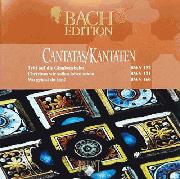 | Tritt auf die Glaubensbahn, BWV 152
1714
|
 | Weinen, Klagen, Sorgen, Zagen, BWV 12
1714
|
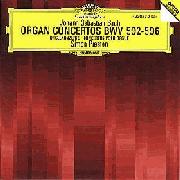 | Organ Concerto in G, BWV 592
1713
|
 | Gleichwie der Regen und Schnee vom Himmel fällt, B
1713
|
| Aus der Tiefen rufe ich, Herr, zu dir, BWV 131
1708
|
 | Lobe den Herrn, meine Seele, BWV 143
|
| EPs |
| Prelude and Fugue, BWV 552
1739
|
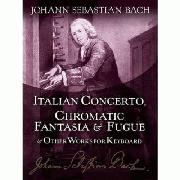 | Fantasia and Fugue in C minor, BWV 906
1738
|
 | Prelude and Fugue in E minor "The Wedge", BWV 548
1736
|
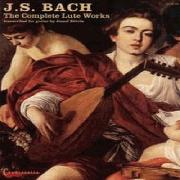 | Lute Suite in Eb Major, BWV 998
1735
|
 | Concerto for 4 harpsichords and strings, BWV 1065
1733
|
 | Lute Suite in G minor, BWV 995
1731
|
 | Lute Suite in C Minor, BWV 997
1727
|
 | Sarabande con Partite in C Maj, BWV 990
1725
|
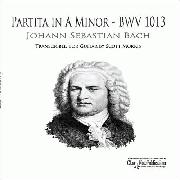 | Partita in A minor for solo flute, BWV 1013
1723
|
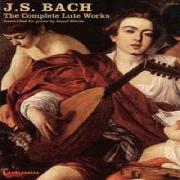 | Lute Fugue in G minor, BWV 1000
1723
|
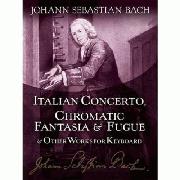 | Prelude in C minor, BWV 999
1723
|
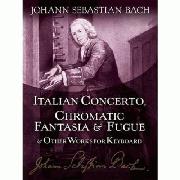 | Fantasia in G major, BWV 572
1722
|
 | Capriccio in E major, BWV 993
1721
|
 | Great Fantasia and Fugue in G minor, BWV 542
1720
|
 | Nine Little Preludes BWV 924-932
1720
|
 | Six Little Preludes BWV 933-938
1720
|
 | Lute Suite in E minor, BWV 996
1717
|
 | Prelude and Fugue in A minor, BWV 543
1717
|
 | Toccata/Fugue in Dmin
1717
|
 | English Suite No.2 in A minor, BWV 807
1715
|
 | Toccata No.2 in C minor, BWV 911
1714
|
 | Aria variata in A minor, BWV 989
1714
|
 | Toccata No.7 in G major, BWV 916
1714
|
 | BWV 922: Fantasia in A Minor
1714
|
 | Toccata and Fugue in F major, BWV 540
1714
|
 | Wenn wir in höchsten Nöthen sein, BWV 641
1712
|
 | Toccata, Adagio and Fugue in C major, BWV 564
1712
|
 | Toccata No.1 in F-sharp minor, BWV 910
1712
|
 | Fugue in B minor, BWV 951
1712
|
 | Toccata No.3 in D major, BWV 912
1710
|
 | Passacaglia and Fugue in C minor, BWV 582
1710
|
 | Toccata No.5 in E minor, BWV 914
1710
|
 | Fugue in A major, BWV 950
1710
|
 | Toccata No. 6 in G minor, BWV 915
1710
|
 | Toccata No.4 in D minor, BWV 913
1708
|
 | Toccata and Fugue in D minor, BWV 565
1707
|
 | Fugue in G minor
1707
|
 | Capriccio in B-flat major, BWV 992
1704
|
 | Ach, was soll ich Sünder machen, BWV 770
|
 | Christ, der du bist der helle Tag, BWV 766
|
 | O Gott, du frommer Gott, BWV 767
|
 | Chromatic Fantasia and Fugue, BWV 903
|
 | Sei gegrüsset, Jesu gütig, BWV 768
|
| Compilations |
 | Arias and Choruses
2019
|
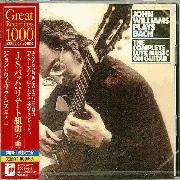 | J.S. Bach: The Complete Lute Music on Guitar
2016
|
 | Complete Cello Suites
2007
|
 | The Masterpiece Collection: Bach, Vol. 1
2006
|
 | Bach Complete Works [Brilliant Classic 155 CD]
2006
|
 | Very Best of Bach
2005
|
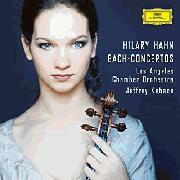 | Concertos (Hilary Hahn)
2003
|
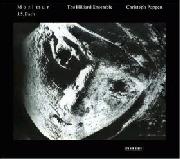 | Morimur (Christoph Poppen; The Hilliard Ensemble)
2001
|
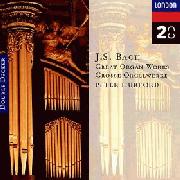 | Great Organ Works (Peter Hurford)
1994
|
 | Complete Violin & Piano Sonatas, BWV 101
1990
|
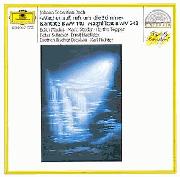 | Cantata, BWV 140; Magnificat, BWV 243
1987
|
 | Notebook for Anna Magdalena Bach
1722
|
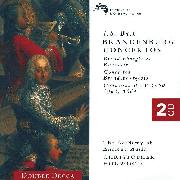 | The Brandenburg Concertos
1721
|


