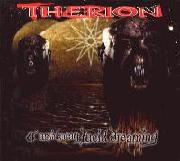
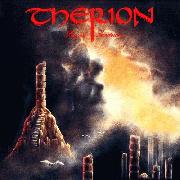
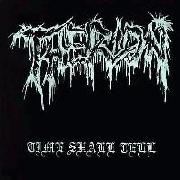
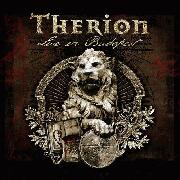
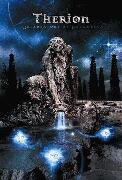
Originating as a death metal band in 1987, Therion (or Megatherion as they were first called) took their name both from theCeltic Frost album To Mega Therion and the Greek word for "wild beast". Acheiving some success in their homecountry of Sweden, the band began to take a new direction, inspired both by Cristofer Jonnsson's desire to experiment, andvarious lineup changes. The change in sound was fully realised by their third album Symphony Masses: Ho Drakon HoMegas, a death metal album featuring many elements of jazz, classical ...read more
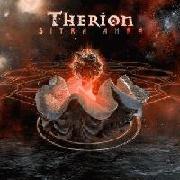
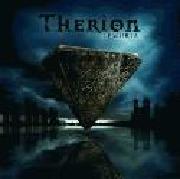
Originating as a death metal band in 1987, Therion (or Megatherion as they were first called) took their name both from theCeltic Frost album To Mega Therion and the Greek word for "wild beast". Acheiving some success in their homecountry of Sweden, the band began to take a new direction, inspired both by Cristofer Jonnsson's desire to experiment, andvarious lineup changes. The change in sound was fully realised by their third album Symphony Masses: Ho Drakon HoMegas, a death metal album featuring many elements of jazz, classical and folk music. In the traditional death metal sceneof Scandinavia at the time, this was tantamount to popular suicide. Indeed, Therion did lose a lot of casual fans, but amazingly,a core of dedicated listeners lapped up the new style, urging Cris and the rest of the band into more progressive styles ofmusic.The next three albums saw Therion gradually move away from their death metal roots into the realm of power metal. Bythe release of Deggial their seventh album in 2000, the band were a full symphonic power metal act, employingaccomplished classical vocalists and musicians to complement the bands own musical ability.At present, Therion is a quartet ofmusicians who act just as much as conductors and composers as actual players. The band has rocketed back into themainstream on the back of the highly succesful albums Lemuria and Sirius B, and great expectations are held fortheir next release. « hide